A Moment Frozen: The Genius Behind Cézanne’s The Card Players
Nov 15, 2025
Paintings
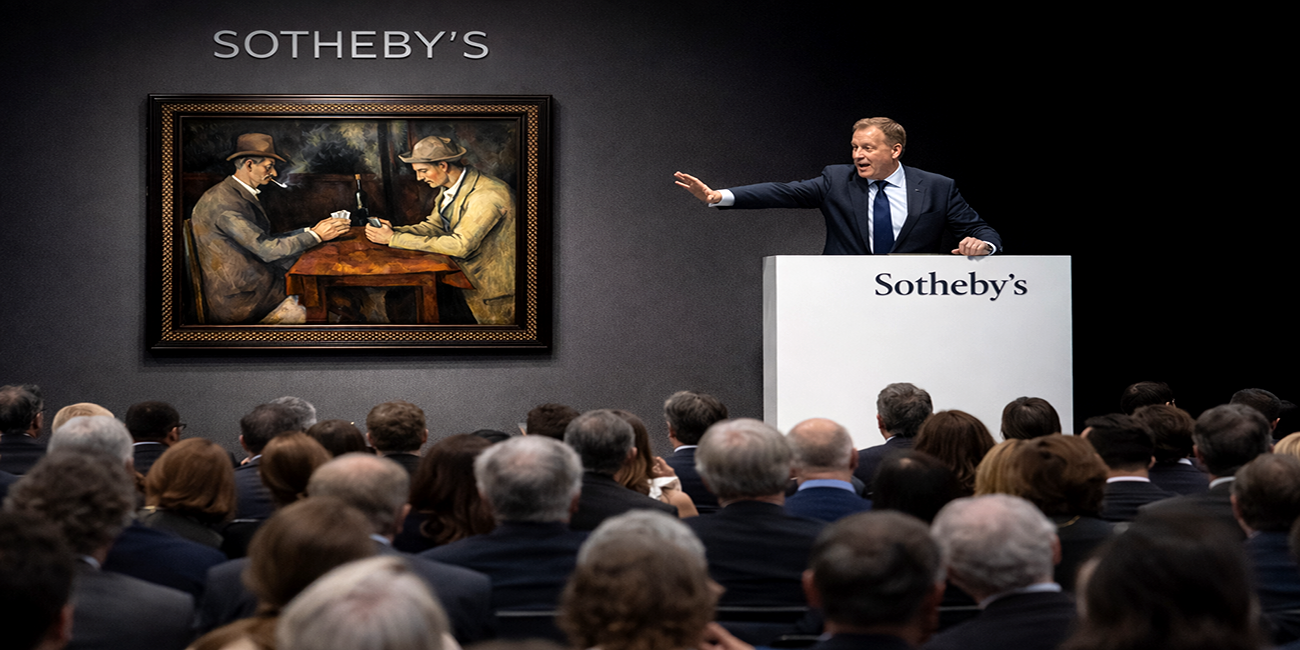
The Card Players: Cézanne’s Quiet Masterpiece of Everyday Life
“The Card Players” by Paul Cézanne is one of the most celebrated masterpieces of Post-Impressionist art, embodying the artist’s lifelong pursuit of structure, balance, and emotional restraint. Created in the early 1890s, this painting is part of a famous series of five works, each exploring the same quiet theme: two or more men absorbed in a simple card game. Rather than focusing on drama or movement, Cézanne transforms an ordinary rural pastime into a study of form, rhythm, and timeless human presence.
The earthy palette—muted browns, cool blues, and
soft ochres—enhances the grounded, rustic atmosphere typical of Provençal life.
Unlike many artists who painted card games as loud, chaotic scenes, Cézanne
offers a completely different approach. His version is honest, humble, and
contemplative, reflecting the quiet dignity of working-class men in his
hometown of Aix-en-Provence.
The painting also stands out for its remarkable
sense of balance. Every shape, from the players’ hats to the angle of the
table, is positioned with deliberate care. Cézanne often described nature as
being built from “cylinders, spheres, and cones,” and this philosophy can be
seen clearly in the simplified shapes and solid forms of the figures. Through
this method, he created a harmonious composition that feels both realistic and
structurally refined.
Beyond its visual beauty, “The Card Players”
is also historically significant. It represents a turning point in modern art,
bridging the gap between Impressionism and the early foundations of Cubism.
Artists like Picasso and Matisse admired Cézanne’s bold reduction of forms and
his analytical approach to painting—techniques that would later define the
evolution of 20th-century art.
Today, “The Card Players” remains one of Cézanne’s
most iconic works, symbolizing his ability to elevate simple moments into
profound artistic statements. Its quiet power, careful construction, and
emotional subtlety continue to captivate viewers, proving that even the most
ordinary scenes can carry immense depth and meaning when observed through the
eyes of a true master.

1. Part of a Five-Painting Series
Cézanne didn’t create just one version—he painted five
different compositions between 1890 and 1895.
These versions vary in:
- Number of players (two, three, or five
figures)
- Canvas size
- Background detail
- Arrangement of figures
The best-known version (with two players) is the
most visually balanced and widely recognized.
2. Real Local Men Were the Models
Cézanne used workers from his family estate in Jas
de Bouffan, near Aix-en-Provence.
Models included:
- Local farmhands
- Gardeners
- A coachman named “Paulin”, who appears in multiple versions
These men were familiar to Cézanne and often sat
for him, contributing to the painting’s natural and unposed atmosphere.
3. A Study of Silence and Concentration
Cézanne intentionally removed drama, noise, or
emotional exaggeration.
Instead, he focused on:
- Stillness
- Concentration
- Contemplation between two figures
- An almost ritualistic seriousness
The lack of eye contact emphasizes how deeply
absorbed the men are in their game.
4. Mastery of Structure and Geometry
Cézanne believed nature could be broken down into cylinders,
cones, and spheres, and this philosophy shapes the painting:
- The players’ torsos resemble blocky, sculptural forms
- The table acts as a horizontal anchor
- The bottles and pipes introduce vertical lines
- Hats, jackets, and arms form geometric rhythms
This structural approach influenced Cubism,
especially Picasso and Braque.
5. Controlled Color Palette
Cézanne rarely used bright, flashy colors.
In “The Card Players,” he employed:
- Warm browns for wood and clothing
- Deep blues and violets for shading
- Muted greens and ochres for background harmony
These tones create a rural, grounded mood and
highlight the serenity of the moment.
6. Brushwork That Builds Form
Unlike Impressionists, who used quick, flickering
brushstrokes, Cézanne used:
- Layered, patch-like strokes (called “constructive strokes”)
- Flat color blocks that gradually build volume
- Slow, meditative application rather than fast, spontaneous movement
This method gives the figures surprising weight and
solidity.
7. A Window into Provençal Life
The painting reflects rural culture in 19th-century
southern France:
- Card playing was a common social pastime among workers
- The café or tavern environment was simple, modest, and quiet
- The painting celebrates everyday dignity rather than wealth
or glamour
Cézanne captured the essence of the region he
loved.
8. Considered One of the Most Valuable Artworks in
the World
One version of “The Card Players” was sold to the Qatar Royal Family for a price speculated to be around $250–300 million, making it one of the highest-priced artworks ever sold.
9. Influence on Modern Art
Cézanne’s deep focus on structure inspired:
- Picasso
- Henri Matisse
- Georges Braque
- Many early 20th-century modernist painters
Picasso even referred to Cézanne as “the father
of us all.”
10. Subtle Symbolism
Though not overtly symbolic, the painting suggests:
- Routine and rhythm of daily life
- Human focus and concentration
- The meditative quality of ordinary activities
- Companionship without words
The stillness hints at a deeper, quiet connection
between the players.
Recent Posts

The Remarkable Journey of Salvator Mundi: From Obscurity to $450 Million Fame
Nov 16, 2025
Paintings


Nelsavault - Where Luxury Meets Rarity. Shop the costliest treasures only a few can own. Because ordinary was never your style. Only the finest, Only at Nelsavault. Exclusivity Lives Here. Crafted for the Cannoisseur. Curated for you. From secret vaults and whispered lore, Nelsavault opens a hidden door. Shop the Rarest Now.