The Remarkable Journey of Salvator Mundi: From Obscurity to $450 Million Fame
Nov 16, 2025
Paintings

Why ‘Salvator Mundi’ Became the World’s Most Expensive Painting
“Salvator Mundi,” meaning Savior of the World,
is one of the most captivating and debated artworks ever associated with Leonardo
da Vinci. Believed to have been painted around 1500, the masterpiece
portrays Jesus Christ offering a blessing with his right hand while
holding a crystal orb in his left. This orb represents both the heavens
and the Earth, symbolizing Christ’s divine power and his role as the spiritual
ruler of the universe.
A Composition Rooted in Divine Serenity:
At first glance, the painting radiates an almost
supernatural calm. Christ’s face is softly illuminated, framed by flowing curls
painted with Leonardo’s characteristic mastery. His eyes, steady yet gentle,
seem to follow the viewer, creating an intimate sense of spiritual presence.
The raised hand forming the sign of benediction—three fingers extended—adds to
the sacred depth of the scene.
Leonardo’s use of sfumato, the technique of blending
tones without harsh lines, is evident in the smooth transitions around the face
and shadows. This creates a lifelike softness reminiscent of the Mona Lisa
and John the Baptist, both of which share similar stylistic qualities.
The Enigmatic Crystal Orb:
One of the painting’s most discussed features is the crystal
orb Jesus holds. Instead of depicting realistic optical distortions that a
solid orb would naturally produce, Leonardo represents it with a clarity that
suggests symbolism over scientific accuracy. Scholars debate whether this was
an intentional artistic decision or a clue about the painting’s authorship.
Either way, the orb’s quiet glow and transparency elevate
the figure of Christ beyond the human realm, emphasizing the coexistence of divine
wisdom, cosmic authority, and earthly compassion.
A Journey Through Obscurity and Rediscovery:
For centuries, “Salvator Mundi” was lost to
history—misattributed, overpainted, and forgotten in private collections. Its
rediscovery in the early 21st century sparked global attention. After extensive
restoration and scholarly study, many experts re-attributed the painting to
Leonardo, though some debate continues even today.
In 2017, the painting made international headlines
when it sold for $450.3 million, becoming the most expensive artwork
ever sold at auction. This sale dramatically amplified the painting’s fame,
propelling it into worldwide discussions not only for its artistic merits but
also for the mysteries surrounding its authorship, condition, and ultimate
location.

Artistic and Cultural Significance:
“Salvator Mundi” is more than a religious portrait. It
represents a powerful intersection of faith, Renaissance innovation,
artistic genius, and modern intrigue. It embodies themes that have
fascinated humanity for centuries—salvation, divinity, and the blending of
science with spirituality.
Whether viewed as a confirmed Leonardo or a masterpiece from
his workshop, the painting holds an undeniable aura that continues to captivate
historians, artists, collectors, and the global public. Its mixture of mystery,
beauty, and controversy makes “Salvator Mundi” not just an artwork, but a
cultural phenomenon.
The Historic Auction Sale of “Salvator Mundi”:
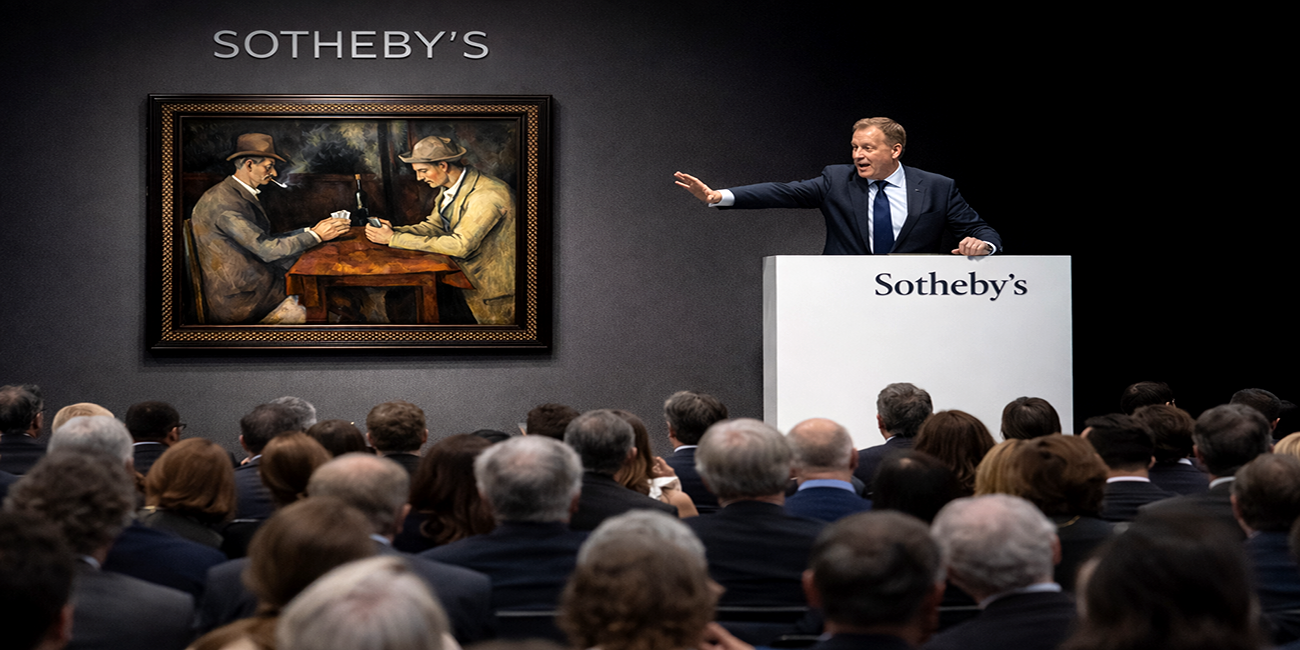
The auction of “Salvator Mundi” in November 2017
at Christie’s New York became one of the most extraordinary moments in art
market history. What began as a highly anticipated sale quickly escalated into
a global spectacle, with collectors, institutions, and agents from around the
world participating in one of the most intense bidding wars ever seen.
As the auctioneer opened the floor, early bids climbed
rapidly, surpassing the initial estimates within seconds. The room fell into a
stunned silence as the price crossed $100 million… then $200 million… then
$300 million. The bids continued to rise, delivered through both phone
representatives and in-person collectors, each determined to claim one of the
rarest rediscovered paintings attributed to Leonardo da Vinci.
After an electrifying 19 minutes of competitive bidding,
the hammer finally came down at a breathtaking $400 million—or $450.3
million including the buyer’s premium. This moment instantly cemented
“Salvator Mundi” as the most expensive artwork ever sold at auction,
shattering every previous record and redefining the global art market.
Why the Auction Was So Historic:
Several factors made the sale unforgettable:
- A
Leonardo Rediscovered – Very few paintings by Leonardo exist, and most
belong to museums. A newly attributed work entering the market was
practically unprecedented.
- A
Painting Wrapped in Mystery – Questions about restoration, condition,
authorship, and provenance fueled worldwide intrigue and media attention.
- Massive
Global Interest – Collectors from multiple continents joined the
bidding, making the atmosphere intensely competitive.
- A
Cultural Event – The sale was broadcast worldwide and became a
headline event beyond the art world.
Impact of the Record-Breaking Sale:
The astonishing price reshaped how the world views
Renaissance art, investment in cultural assets, and the market value of rare
masterpieces. It turned “Salvator Mundi” into a modern legend—an icon not just
for its religious symbolism or artistic brilliance, but for its unparalleled
cultural and financial impact.
The painting’s whereabouts after the auction have remained a
subject of speculation, adding yet another layer to the painting’s mystique.
The result is a masterpiece that now exists not only in art history but in
global popular culture as a symbol of rarity, controversy, and the enduring
legacy of Leonardo da Vinci.
Recent Posts
The Remarkable Journey of Salvator Mundi: From Obscurity to $450 Million Fame
Nov 16, 2025
Paintings


Nelsavault - Where Luxury Meets Rarity. Shop the costliest treasures only a few can own. Because ordinary was never your style. Only the finest, Only at Nelsavault. Exclusivity Lives Here. Crafted for the Cannoisseur. Curated for you. From secret vaults and whispered lore, Nelsavault opens a hidden door. Shop the Rarest Now.